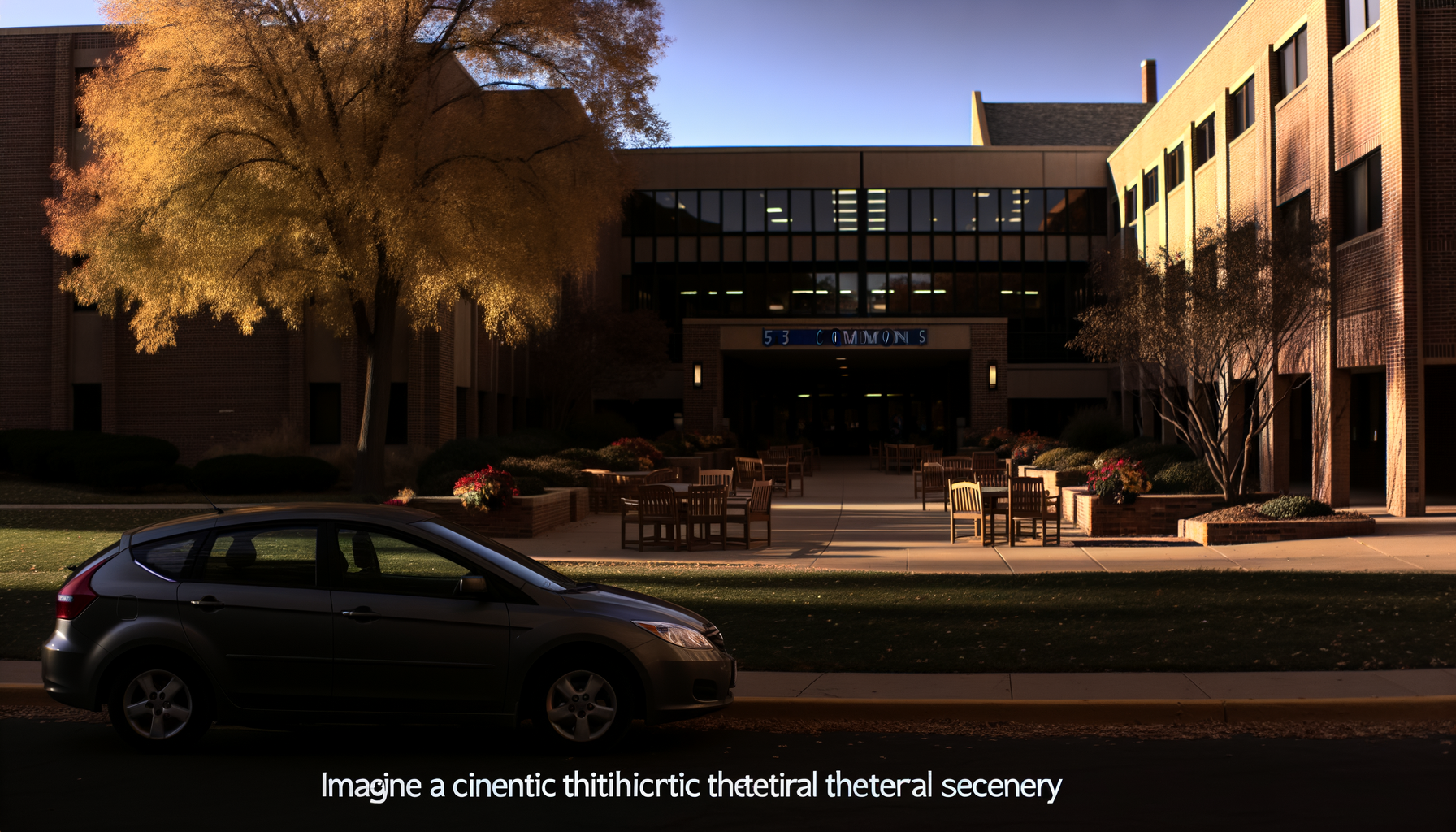
On a quiet October morning, the kind that settles over Hanover with a crispness that feels both familiar and foreboding, a peculiar disruption unfolded outside 53 Commons, the dining facility known to generations of Dartmouth students as a place of routine and refuge. The incident, which drew the attention of state law enforcement and a specialized bomb squad, centered on a parked vehicle that had been flagged for containing potentially hazardous materials. While the situation was resolved without injury or lasting damage, its implications, both logistical and psychological, have rippled through the campus community in ways that merit closer examination.
According to statements provided by local authorities, the vehicle in question was situated near the Hyde and Weaver-Bell residence halls, a location that, while not central to the College’s academic core, remains a well-trafficked area due to its proximity to student housing and dining services. The car, described as a dark-colored sedan with out-of-state plates, had reportedly been parked for an extended period, prompting concern among campus safety personnel. It was this concern, compounded by unspecified observations made during a routine patrol, that led to the involvement of the New Hampshire State Police Bomb Squad.
The decision to escalate the matter to state-level intervention was not made lightly. In recent years, Dartmouth has adopted a more cautious posture regarding campus security, informed in part by broader national trends and a handful of localized incidents that, while not catastrophic, have underscored the need for vigilance. The presence of the bomb squad, complete with armored vehicles and technicians clad in protective gear, marked a rare and unsettling moment for a campus more accustomed to the rhythms of academic life than the protocols of emergency response.
Students residing in Hyde and Weaver-Bell were instructed to remain indoors, and access to 53 Commons was temporarily suspended. These measures, though disruptive, were executed with a degree of efficiency that speaks to the College’s evolving infrastructure for crisis management. Still, the sight of heavily equipped personnel combing through a civilian vehicle in the heart of campus introduced a visual incongruity that many found difficult to reconcile. For some, it evoked memories of past national traumas; for others, it served as a stark reminder of the porous boundary between the collegiate bubble and the wider world.
After several hours of investigation, the bomb squad determined that the materials in question were not explosive in nature. The specifics of the contents have not been publicly disclosed, though officials have indicated that they posed no immediate threat. The vehicle was subsequently cleared and removed, and normal operations resumed by late afternoon. Yet the incident has left behind a residue of unease, particularly among students who witnessed the response firsthand or who rely on the affected facilities for daily sustenance and social interaction.
In the days following the event, conversations across campus have turned toward questions of preparedness, transparency, and institutional responsibility. Some have expressed frustration at the lack of detailed communication during the incident, noting that initial alerts were vague and did little to clarify the nature of the threat. Others have praised the swift and coordinated response, arguing that discretion is often necessary in situations involving potential public safety hazards. The divergence of opinion reflects a broader tension within the Dartmouth community, between the desire for openness and the imperative of caution.
Historically, Dartmouth has navigated such tensions with varying degrees of success. The College’s rural setting, often cited as a buffer against urban volatility, has not rendered it immune to the complexities of modern security. From the anthrax scares of the early 2000s to more recent concerns about cyber threats and data breaches, the institution has been compelled to adapt its protocols and expectations. The incident outside 53 Commons, while resolved without incident, fits within this continuum, offering both a case study and a cautionary tale.
It is worth noting that the Upper Valley, with its patchwork of small towns and longstanding traditions, has historically maintained a culture of trust and neighborliness. The presence of a bomb squad in such a setting disrupts that narrative, introducing an element of suspicion that feels foreign to many residents. For students hailing from metropolitan areas, the response may have seemed routine; for those raised in the region, it likely carried a deeper emotional weight. This divergence in perception underscores the importance of context in understanding institutional actions and community reactions.
As Dartmouth continues to refine its approach to campus safety, the lessons of this incident should not be overlooked. Clearer communication protocols, enhanced training for campus personnel, and a more nuanced understanding of student concerns will be essential in fostering a sense of security that does not come at the expense of trust. Moreover, the College must remain attentive to the ways in which its decisions resonate beyond the immediate crisis, shaping the lived experience of those who call Hanover home.
In the end, the car outside 53 Commons was not a harbinger of catastrophe, but its presence, and the response it elicited, served as a reminder that even in the quiet corners of New England, uncertainty can arrive unannounced. How institutions respond to such moments, and how communities interpret them, will continue to define the contours of campus life in an era where vigilance and reflection must coexist.