The Dartmouth Independent
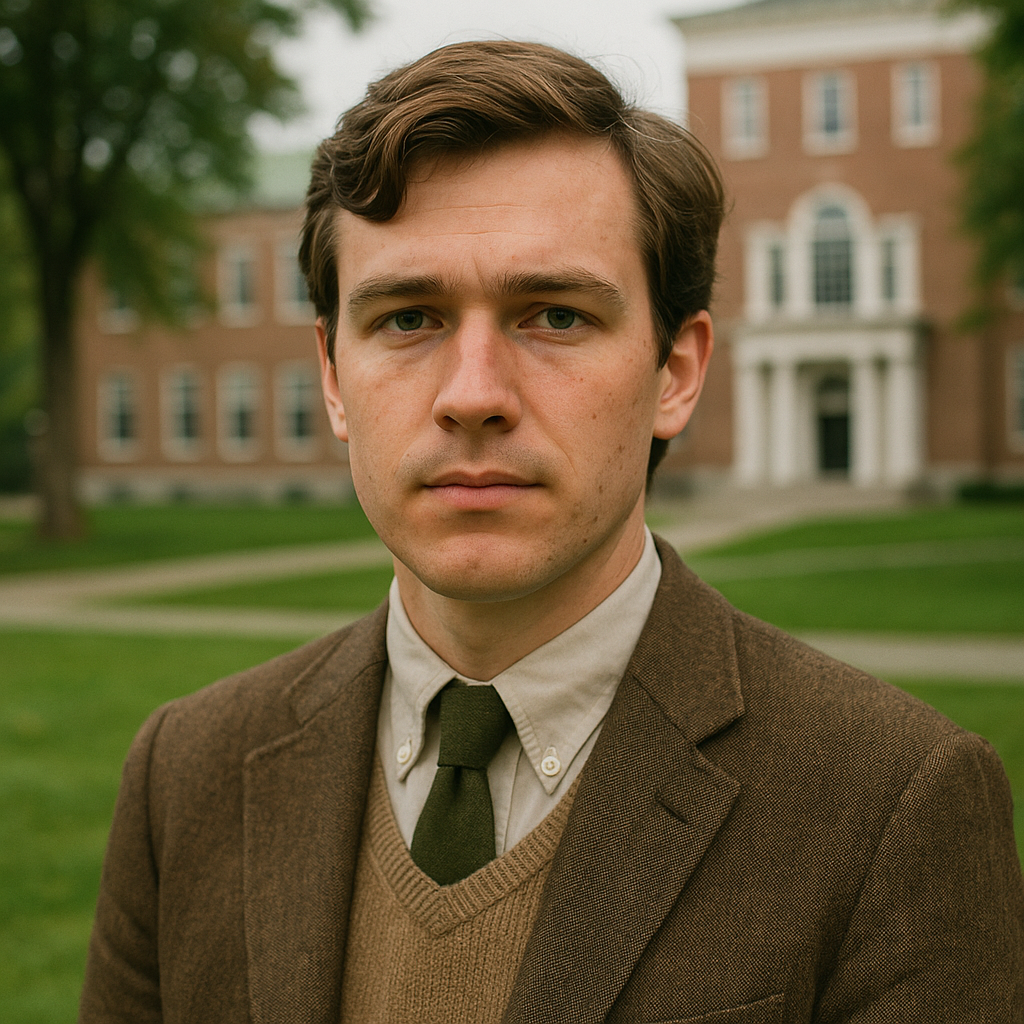
Liam White

Liam White

Regional Heritage Reporter

Liam White is a senior from rural Vermont, a fourth-generation Upper Valley resident majoring in History. Deeply tied to tradition and critical of institutions that overlook local communities, he brings a formal, reflective voice to his coverage of regional heritage and the intersection of Dartmouth and the Upper Valley.

liam@dartmouthindependent.com

Covers: History, Regional, Upper Valley, Heritage

Articles by Liam White (9)

From Fairways to Foundations: Dartmouth Reclaims Hawthorne for a More Inclusive Future
Campus

From Fairways to Foundations: Dartmouth Reclaims Hawthorne for a More Inclusive Future

In the quiet folds of southeastern Massachusetts, where the land rolls gently toward the Acushnet River and the scent of salt marsh mingles with the memory of old cranberry bogs, a transformation is underway that speaks to the shifting priorities of a town long shaped by its agrarian past and its suburban present. Dartmouth, a community whose name evokes colonial settlement and maritime trade, now finds itself at the crossroads of a different kind of development, one not driven by commerce or leisure, but by the pressing need for shelter that ordinary families can afford. At the heart of this

Elegance on the Edge: A Resort Rethinks the Lakes Region
Culture

Elegance on the Edge: A Resort Rethinks the Lakes Region

In the town of Tilton, nestled along the western shore of Lake Winnisquam, a new structure has risen, one that, for all its modernity and ambition, invites reflection on the region’s long-standing relationship with leisure, land, and the layered meanings of luxury. The Lake Estate, a $90 million resort now open to guests, stands as both a testament to contemporary hospitality and a symbol of shifting cultural values in New Hampshire’s Lakes Region, where the rhythms of summer cottages and quiet retreats once defined the landscape. Its emergence, marked by grand architectural gestures and a promise of refined service, prompts

Special Education at Risk: States Could Soon Police Themselves
Campus

Special Education at Risk: States Could Soon Police Themselves

The Trump administration is pushing a plan that would hand over enforcement of special education laws to individual states. That means the federal government would no longer investigate complaints or monitor compliance with the Individuals with Disabilities Education Act. Instead, states would be responsible for policing themselves. Let that sink in. The same states that have underfunded special education for decades. The same states that have failed to meet basic benchmarks for inclusion and accessibility. Now they’re being asked to hold themselves accountable. That’s not reform. That’s abandonment. The proposal, quietly released by the Department of Education, frames the change

Walking the Woods Again: A Cold Case, A Community, A Memory
Campus

Walking the Woods Again: A Cold Case, A Community, A Memory

The woods in New London are quiet now. Leaves rustle, birds call, and the wind moves through the trees like it always has. But for the investigators walking the trails of the Esther Currier Wildlife Management Area this October, the silence carries weight. It’s the same place where Catherine Millican’s body was found in 1978. And it’s where, nearly half a century later, the New Hampshire Cold Case Unit is searching again. Catherine Millican was 27 years old when she went missing. She had told friends she was going birdwatching. Her brown Volkswagen Rabbit was found near the wetlands entrance.

Unattended Car Prompts Bomb Squad Response Outside 53 Commons, Stirring Campus Unease
Campus

Unattended Car Prompts Bomb Squad Response Outside 53 Commons, Stirring Campus Unease

On a quiet October morning, the kind that settles over Hanover with a crispness that feels both familiar and foreboding, a peculiar disruption unfolded outside 53 Commons, the dining facility known to generations of Dartmouth students as a place of routine and refuge. The incident, which drew the attention of state law enforcement and a specialized bomb squad, centered on a parked vehicle that had been flagged for containing potentially hazardous materials. While the situation was resolved without injury or lasting damage, its implications, both logistical and psychological, have rippled through the campus community in ways that merit closer examination.

The Line Drawn in Hanover: Dartmouth Declines Federal Compact on Principle
Campus

The Line Drawn in Hanover: Dartmouth Declines Federal Compact on Principle

In the quiet days of early October, as the leaves turned and the Upper Valley settled into its annual rhythm of reflection and preparation, a letter arrived at Dartmouth College bearing the seal of the federal government. It was not, as some might have hoped, a routine communication regarding research grants or infrastructure support, but rather a proposal, styled as a compact, from the Trump administration, seeking to recalibrate the relationship between elite institutions of higher learning and the federal apparatus that has long underwritten their scholarly pursuits. The document, sent to nine universities including Dartmouth, outlined a series of

Guarding the Gates: Dartmouth Weighs Academic Freedom Against Federal Influence
Campus

Guarding the Gates: Dartmouth Weighs Academic Freedom Against Federal Influence

In the quiet corridors of Dartmouth’s administrative offices, where policy is shaped not in haste but through deliberation and dialogue, a recent statement from the Senior Vice President for Campus Life has stirred a measured but unmistakable response among faculty, students, and alumni. The subject at hand is the Trump Compact, a document circulated nationally that purports to outline a framework for institutional alignment with certain federal priorities, including those related to free speech, national identity, and civic education. While its language is couched in terms of patriotism and academic integrity, the implications for campus governance and intellectual autonomy have

Federal Ruling Halts New Hampshire’s DEI Ban, Rekindling Debate Over Educational Equity
Campus

Federal Ruling Halts New Hampshire’s DEI Ban, Rekindling Debate Over Educational Equity

In a ruling that has stirred both relief and renewed scrutiny across New Hampshire’s educational landscape, a federal judge has blocked the enforcement of a controversial law that sought to prohibit diversity, equity, and inclusion initiatives in public schools. The decision, handed down in early October by Judge Landya McCafferty of the U.S. District Court in Concord, has temporarily halted the state’s attempt to implement sweeping restrictions on how schools classify and support students based on protected characteristics. The implications of this ruling extend beyond administrative policy; they touch upon the very structure of public education and its obligations under

In Memoriam and Discord: A Campus Vigil in the Shadow of Political Violence
Campus

In Memoriam and Discord: A Campus Vigil in the Shadow of Political Violence

On the evening of September 25, as the sun receded behind the hills of Hanover and the Green settled into its usual hush, a group of Dartmouth students gathered not for celebration, nor for protest, but for remembrance of Charlie Kirk, the conservative activist and founder of Turning Point USA. Kirk, who was scheduled to speak at Dartmouth later this fall, was killed earlier in the month while attending an event at Utah Valley University, a tragedy that has since reverberated across college campuses and political circles nationwide. Though the gathering drew a modest crowd, approximately forty-five attendees, it carried