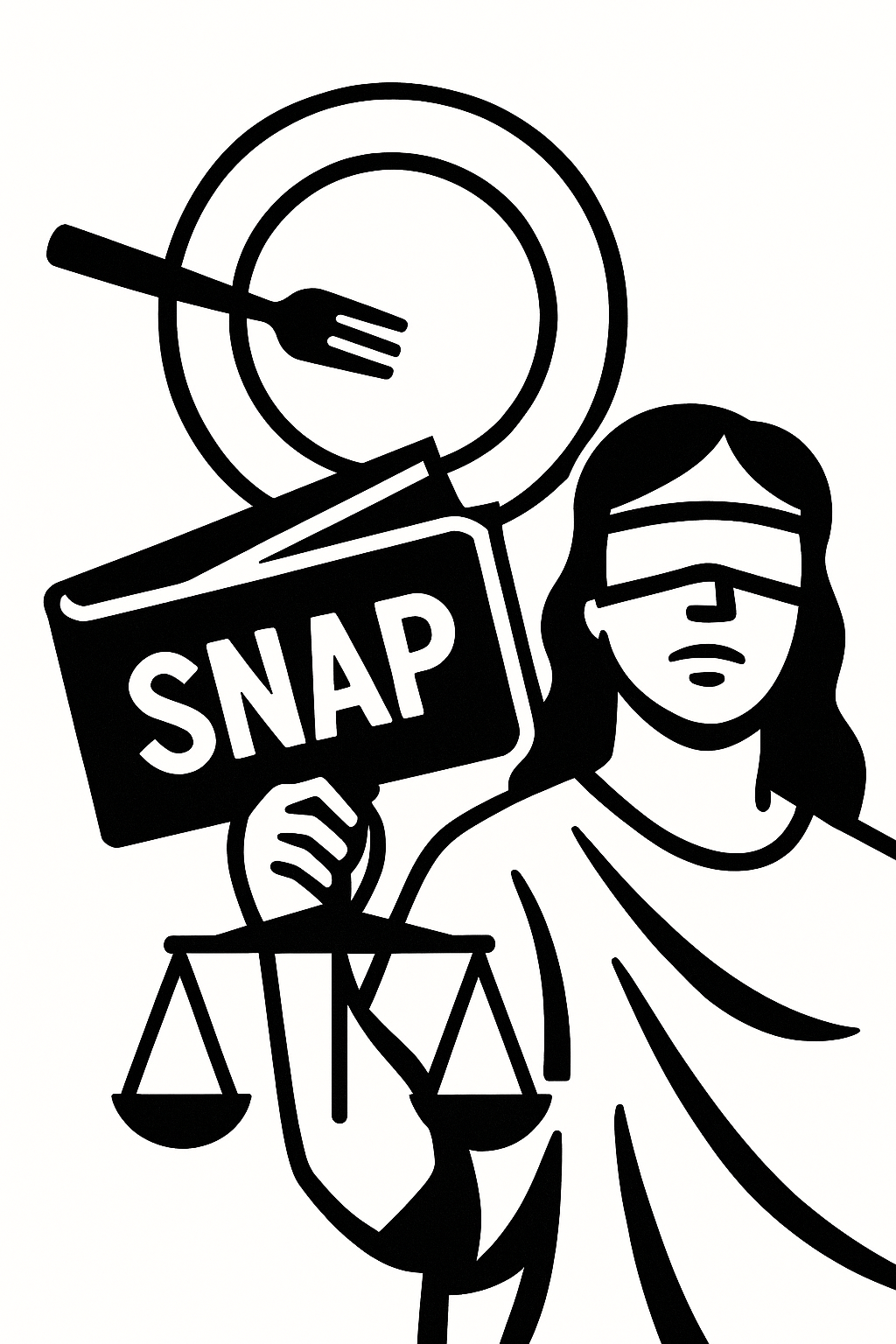
The federal government shut down. Again. And this time, it’s not just bureaucrats furloughed or parks closed. It’s food. It’s families. It’s 75,000 New Hampshire residents waking up on November 1 without the Supplemental Nutrition Assistance Program they rely on to eat. That’s not a policy hiccup. That’s a moral collapse.
Let’s be clear: SNAP isn’t some fringe program. It’s the backbone of food security for low-income households. It’s how single parents feed their kids. How seniors stretch fixed incomes. How disabled residents survive. And now, thanks to Congress’s failure to pass a budget, it’s gone. The U.S. Department of Agriculture announced it doesn’t have the $9.2 billion needed to fund November benefits. Contingency funds? Already tapped. Promises? Broken.
This isn’t just a federal issue. It’s a state-level scramble. New Hampshire’s Executive Council approved a $2 million emergency plan to support mobile food pantries and stock traditional ones. That’s something. But it’s not enough. It’s not sustainable. And it’s not justice.
Think about what this means in real terms. A mom in Manchester who works two jobs now has to choose between rent and groceries. A retired veteran in Nashua who depends on SNAP to buy fresh produce is suddenly forced to rely on canned goods from a food bank. A college student in Concord who already skips meals to afford textbooks now faces an empty fridge and no options. These aren’t hypotheticals. They’re real people. Real stories. Real suffering.
And the worst part? It’s preventable. Congress knew the deadline. They knew the stakes. They knew the consequences. But they played politics instead of passing a budget. They let ideological battles override basic governance. And now, the most vulnerable are paying the price.
This is what happens when lawmakers treat shutdowns like strategy. When they weaponize the budget process to score points instead of solve problems. When they forget that behind every line item is a life. A child. A senior. A neighbor.
The state’s response, while commendable in urgency, exposes deeper flaws. Why are we relying on mobile food pantries to fill the gap left by federal negligence? Why is the New Hampshire Food Bank suddenly the frontline defense against hunger? Why are local nonprofits expected to stretch thin resources even further?
This isn’t resilience. It’s desperation. And it’s not a long-term solution. Food banks can’t replace SNAP. Volunteers can’t replace federal infrastructure. Charity can’t replace justice.
We need accountability. Not just for the shutdown, but for the system that allows it to keep happening. We need elected officials who treat food security as non-negotiable. Who understand that hunger isn’t a partisan issue. Who refuse to let budget brinkmanship threaten basic human needs.
And we need to talk about equity. Because let’s be honest: the people hit hardest by this shutdown aren’t the ones with lobbyists or leverage. They’re low-income families, disproportionately Black, Brown, disabled, and elderly. They’re already navigating systemic barriers. Now they’re being told to wait. To hope. To survive without support.
That’s not just bad policy. It’s injustice.
So what now? First, Congress must act. Immediately. Pass a budget. Restore SNAP funding. End the shutdown. No excuses. No delays. Second, states must demand more. Not just emergency funds, but structural safeguards. Contingency plans that don’t rely on charity. Third, communities must mobilize. Not just to donate, but to organize. To vote. To hold leaders accountable.
Because this isn’t just about New Hampshire. It’s a warning. A glimpse into what happens when governance fails and compassion is outsourced. It’s a test of our values. And right now, we’re failing.
But we can change that. We can demand better. We can fight for policies that prioritize people over politics. We can make sure that no one in this country goes hungry because Congress couldn’t compromise.
The shutdown may have started in Washington. But its impact is local. Immediate. Personal. And it’s up to all of us to respond.
Not with silence. Not with resignation. But with action.
Because food is not optional. And justice is not negotiable.